Best Examples of Nonprofit Organization Websites
Nonprofit websites have a unique mission: to inspire action, build trust, and communicate impact—all in a few clicks.
The best nonprofit websites do more than look good. They guide visitors toward meaningful engagement, from donating and volunteering to learning more about a cause.
In this blog, we’ll explore examples of nonprofit websites that strike the right balance between design, functionality, and purpose. Each one offers takeaways that can help your organization better connect with its community and drive results online.
Key Components of Successful Nonprofit Organization Websites
A nonprofit website is a central tool for building awareness, encouraging engagement, and converting interest into action. Below are three essential elements every nonprofit website should prioritize to meet its goals.
Incorporating Storytelling and Impact
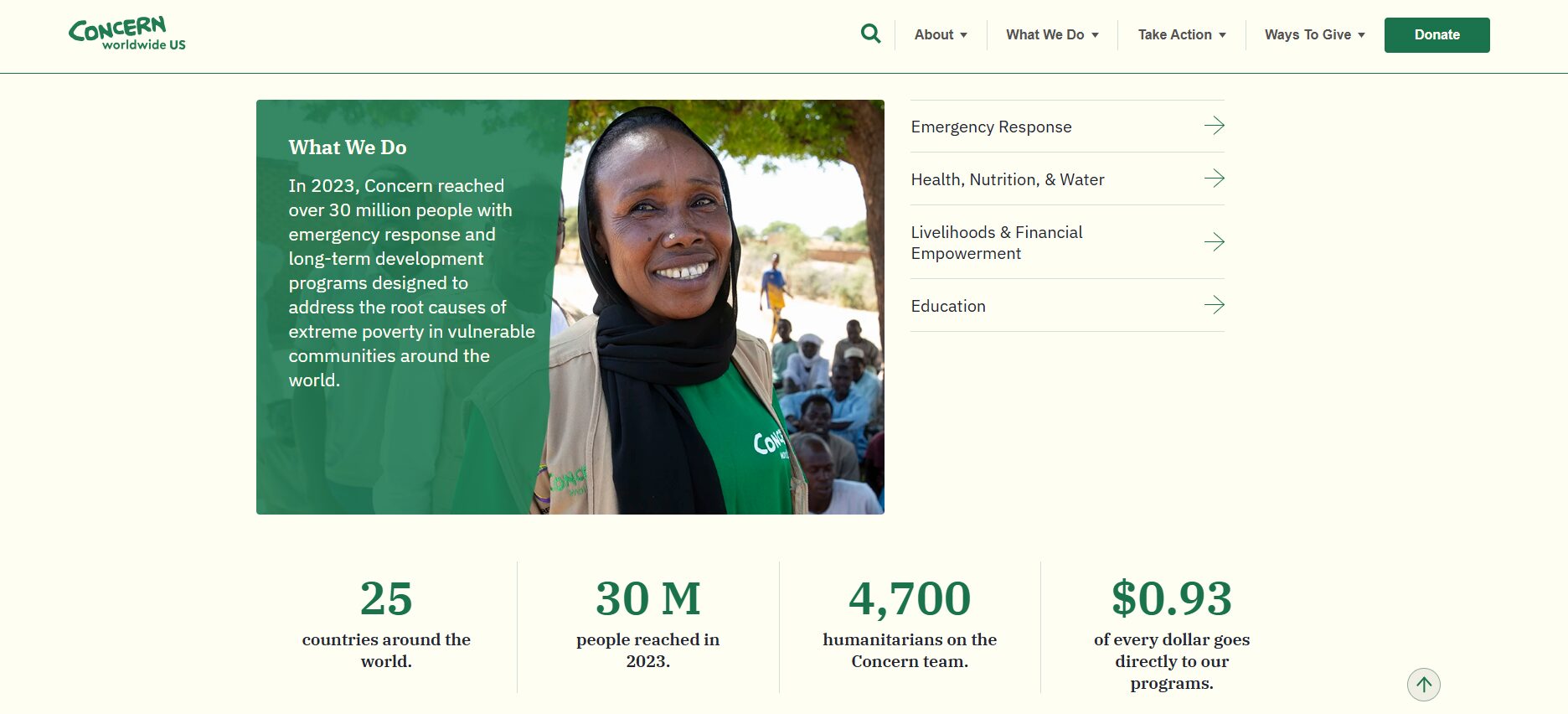
Effective storytelling turns abstract goals into relatable human experiences. By sharing real-life stories, using powerful visuals, and adding short videos, nonprofit websites can help visitors connect with the mission on an emotional level. Organizations like Concern Worldwide show how personal narratives and clear progress updates can inspire trust and encourage donations or involvement.
User-Centric Design
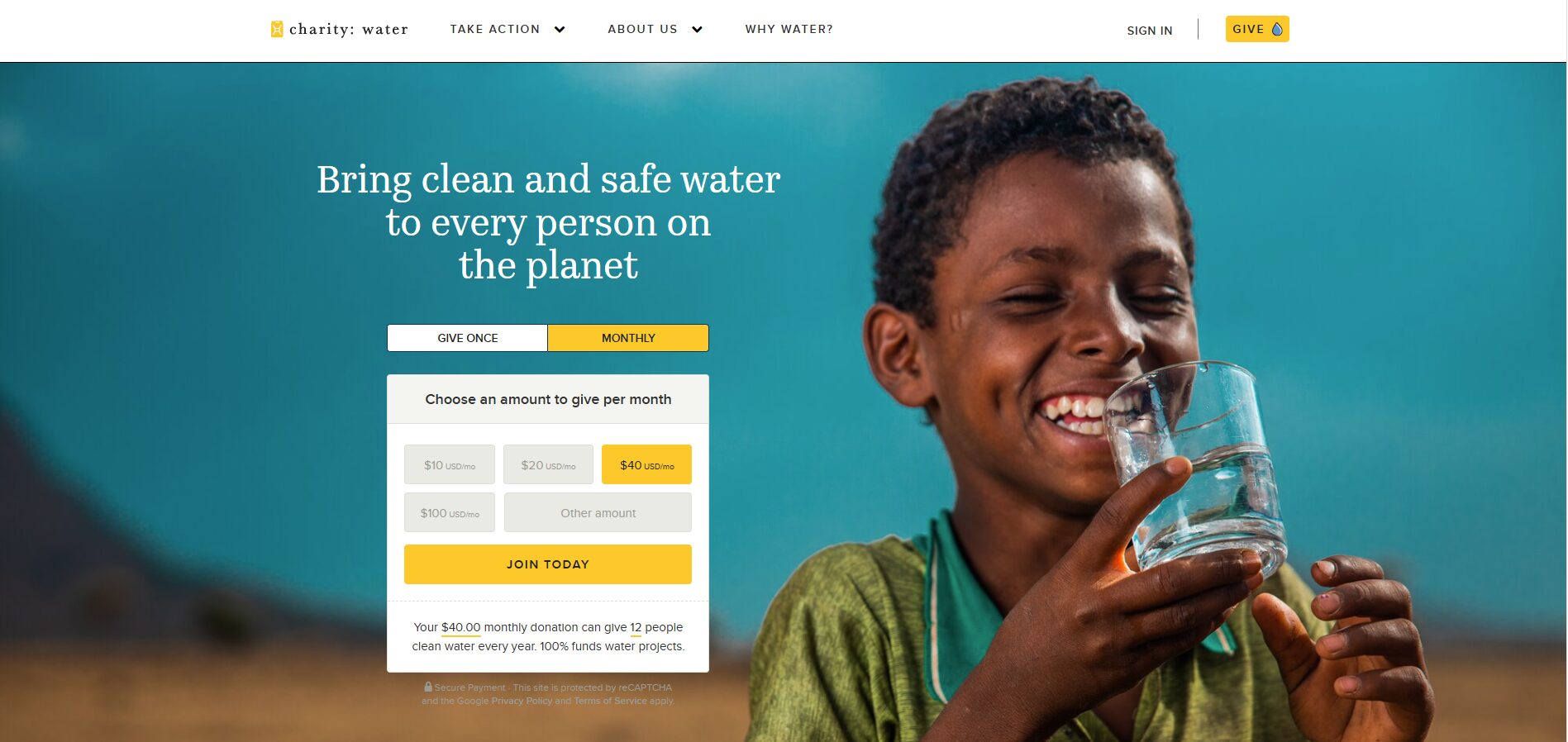
Nonprofit websites need to be easy to navigate and accessible on any device. Clear site structure, mobile responsiveness, and fast load times all help visitors find what they need without frustration. charity: water is a great example of using a clean layout with strong visuals and clear calls to action that guide users toward donating or exploring their work.
SEO and Online Visibility
Search engine visibility is critical for nonprofits looking to reach a wider audience. Optimizing site content with relevant keywords, improving page speed, and ensuring accessibility all contribute to stronger rankings. Regular blog updates, high-quality backlinks, and structured data help nonprofit websites appear in search results when people look for related causes or services.
Leading Nonprofit Website Examples
Below are a few standout nonprofit websites built by WDG. These examples reflect best practices in digital strategy, user experience, and mission alignment.
American Red Cross
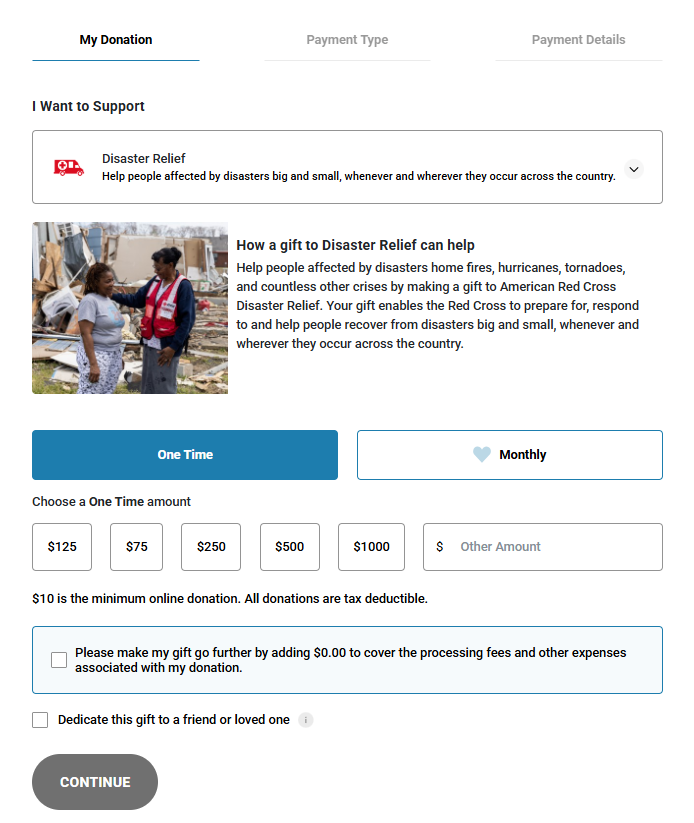
The American Red Cross website stands out for its focus on accessibility, speed, and functionality. Real-time updates on disaster response, an easy-to-use donation platform, and clear volunteer sign-up paths make it a vital tool for both users and staff. The layout supports quick decision-making and ensures that critical information is always front and center.
Key Features:
- Streamlined donation process with recurring gift options
- Persistent navigation bar with direct access to emergency resources
- Interactive map for tracking disaster relief operations
- Mobile-first design to support users in urgent situations
- Clear content hierarchy to highlight calls to action
United States Institute of Peace
With a clean and professional interface, the United States Institute of Peace website prioritizes research and education through thoughtful information architecture. Visitors can easily access reports, policy updates, and multimedia content related to global peace initiatives.
The design supports credibility and encourages exploration among a diverse audience that includes policymakers, scholars, and engaged citizens.
Key Features:
- Mega menu for efficient access to a wide range of research topics
- Integrated multimedia hub for video, audio, and event content
- Strategic use of whitespace and typography for readability
- Flexible content templates for publications and press releases
- Clear signposting for upcoming events and expert commentary
Center for Global Development
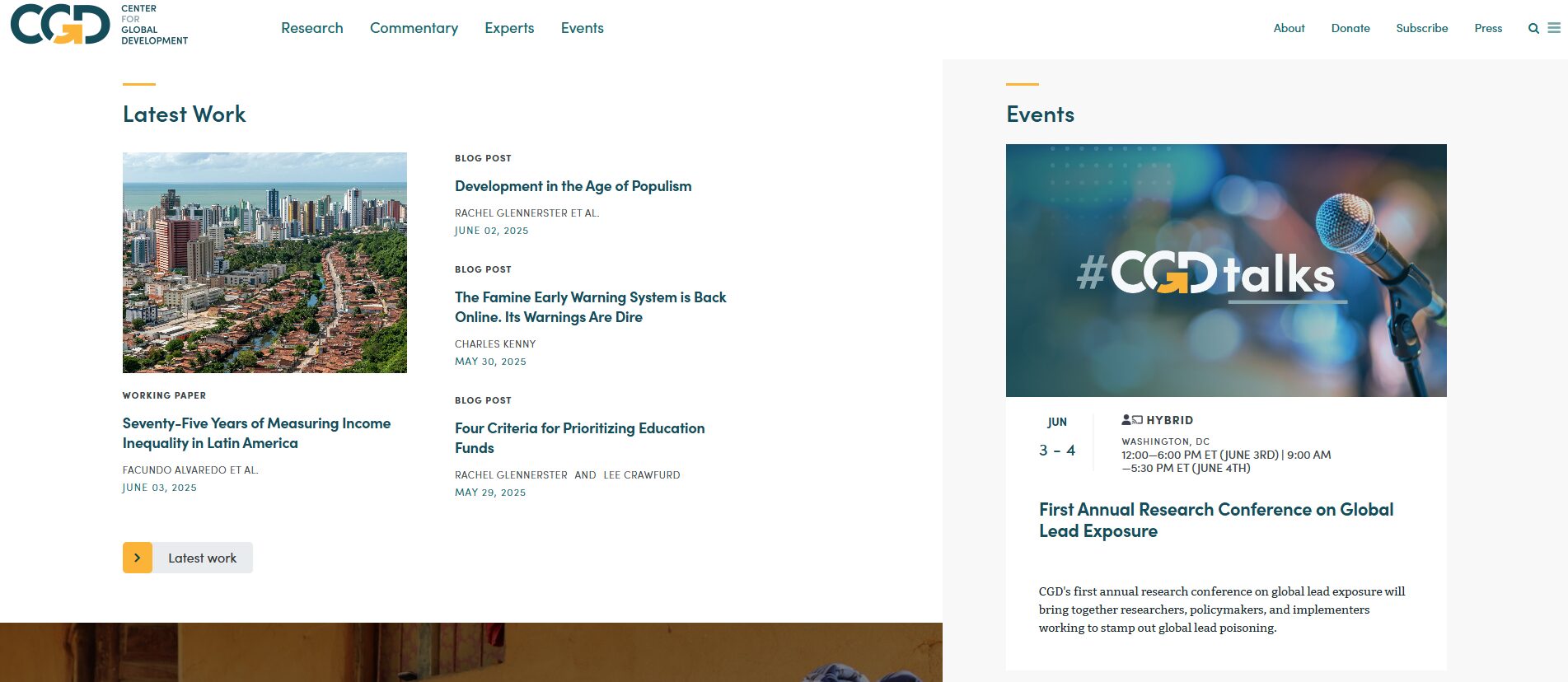
The Center for Global Development website presents complex economic research in a way that is approachable and easy to navigate. Its modern layout features flexible content modules, strong visual hierarchy, and robust search capabilities. The design supports the organization’s mission by making research findings and policy insights accessible to a global audience.
Key Features:
- Modular homepage layout for featuring timely content and publications
- Prominent expert directory with filtering options
- Topic-based navigation to connect related content across the site
- Search functionality tailored to publications, events, and experts
- Responsive design that maintains clarity across all devices
Platforms and Tools for Building Nonprofit Websites
Choosing the right platform is a foundational step in building an effective nonprofit website. The best content management systems offer the flexibility to grow, the tools to engage, and the reliability to support ongoing outreach. Below are two of the most commonly used platforms among mission-driven organizations.
WordPress
WordPress development is a strong option for nonprofits that need a balance of usability and customization. It’s widely known for its intuitive dashboard, making it easier for teams to manage updates without technical support. The platform also supports a wide range of plugins for donation forms, event registration, SEO, and accessibility.
Key Benefits:
- User-friendly admin interface for quick content updates
- Large plugin library for donation tools, CRM integration, and analytics
- Cost-effective setup and hosting options
- Broad community support and documentation
- Mobile-ready themes and built-in SEO tools
Drupal
Drupal development is well-suited for nonprofits with complex site structures or high-security requirements. It offers advanced user permissions, custom workflows, and a modular architecture that supports scalability over time. Drupal can be a powerful choice for larger organizations or coalitions with detailed content governance needs.
Key Benefits:
- Enterprise-level security features and regular updates
- Robust content modeling for structured, multi-author environments
- Flexible user roles and access control
- Seamless integration with CRM systems and APIs
- Multilingual capabilities for global audiences
Tips for Designing an Impactful Nonprofit Website
A nonprofit website should do more than share information—it should motivate action. Great design builds trust, simplifies navigation, and helps visitors connect with your mission. Use these tips to create a digital experience that informs, inspires, and drives measurable impact.
Utilizing Visual Storytelling
Strong visuals create a powerful first impression and help visitors quickly understand what your organization stands for. High-quality images, short video clips, and infographics can communicate emotion and impact in ways that text alone cannot.
By incorporating real faces, success stories, and progress visuals, nonprofits can make their message more relatable and memorable. When placed strategically across the site, visual content can also guide users toward key calls to action.
Optimizing for Donations
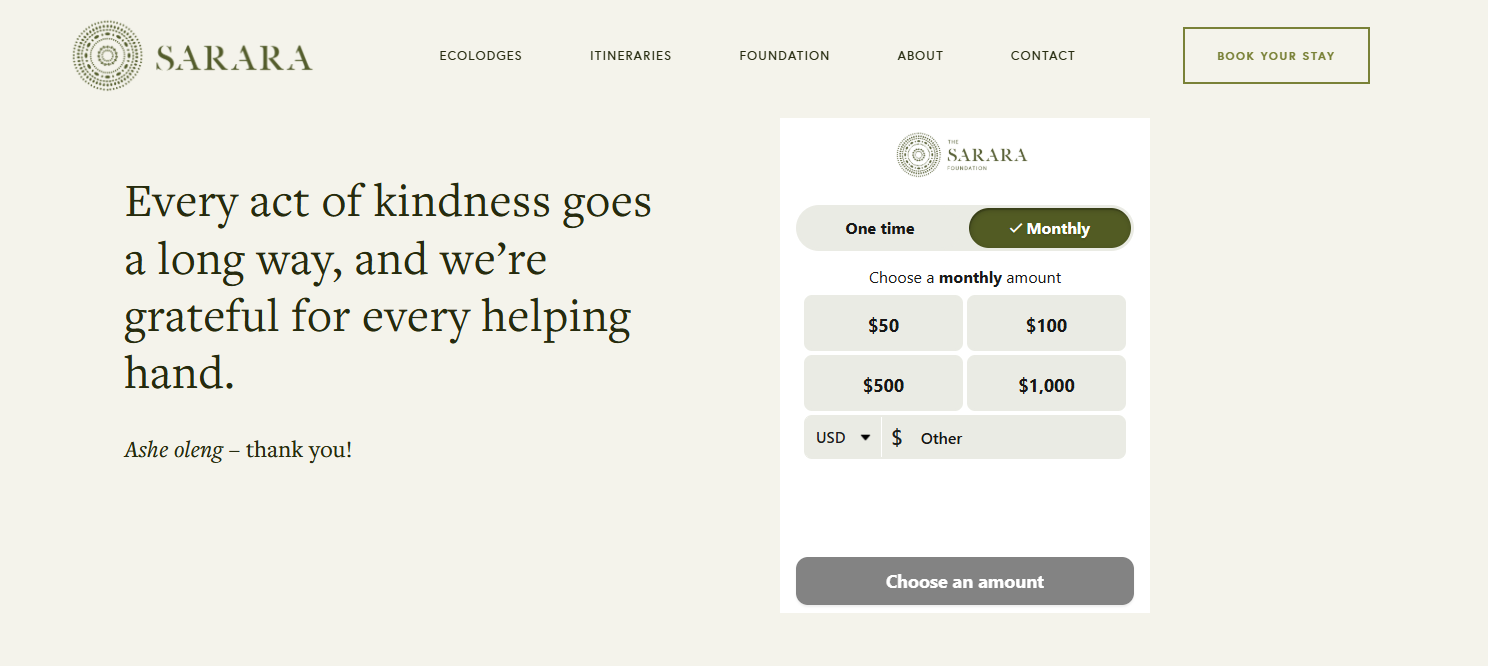
Donation flows should be as simple and frictionless as possible. A clearly labeled donation button, placed prominently in the navigation or header, encourages immediate engagement. Once a visitor clicks, the process should be short, mobile-friendly, and offer multiple payment options.
Including features like recurring donations, suggested giving amounts, and trust-building language can help increase conversion rates. Sites like The Sarara Foundation demonstrate how thoughtful design can turn interest into long-term support.
Enhancing Accessibility
Accessibility should be built into every stage of web design to ensure all users can interact with your content. Features such as alternative text for images, keyboard-friendly navigation, and screen reader compatibility allow for a more inclusive experience. Following WCAG guidelines not only improves usability for people with disabilities but also boosts overall site performance and search visibility. An accessible website reflects a nonprofit’s commitment to equity and helps broaden its reach.
Crafting Future-Ready Nonprofit Websites with WDG
An effective nonprofit website blends mission-driven storytelling with smart design and strategic functionality. From choosing the right platform to creating accessible, visually engaging content, every element plays a role in supporting your organization’s goals. The best nonprofit sites don’t just inform—they inspire action, build trust, and foster long-term relationships with supporters.
If you’re ready to elevate your nonprofit’s digital presence, we’re here to help. Contact WDG today to learn how we can design a website that brings your mission to life and moves your audience.