Website Design Process for Clients: A Designer’s Guide
Designing for clients is a craft that extends far beyond creativity. It’s about translating goals into experiences, ideas into systems, and expectations into measurable outcomes. Whether you’re a freelancer, part of an in-house creative team, or working in an agency setting, having a clear website design process for clients isn’t optional — it’s essential.
At Web Development Group (WDG), we’ve spent years refining a process that balances creativity with structure, ensuring that both clients and designers move through each stage with confidence. This guide walks through that process from the designer’s perspective — how to lead discovery, communicate clearly, manage feedback, and deliver websites that delight clients and serve their audiences.
Key Takeaways
- A clear, structured process builds trust and consistency across client projects.
- Designing for clients means balancing creativity with strategy and communication.
- Each stage of the process — discovery, design, feedback, and QA — requires designer leadership.
- Managing feedback effectively strengthens client relationships and final outcomes.
- The most successful designers measure their work by results, not just aesthetics.
Why a Strong Design Process Builds Better Client Relationships
Clients don’t just hire designers for visuals — they hire them for clarity and confidence. A strong process gives structure to creativity, helping clients understand how ideas evolve into results. It sets expectations, reduces misunderstandings, and creates space for collaboration.
When you establish and communicate your process early, clients feel guided, not lost. They trust your expertise because they see a plan in place. That trust forms the foundation of every successful relationship.
At WDG, we’ve found that a defined, transparent process not only improves outcomes but also empowers designers to do their best work — without last-minute chaos or creative burnout.
Designing a Website for Clients: Step by Step
Every project is different, but the framework remains the same. Here’s how to approach each stage of a web design project when working with clients.
1. Discovery and Strategy
The discovery phase is where everything begins — and where many projects succeed or fail. It’s your job as a designer to uncover what the client truly needs, not just what they think they want.
Run structured workshops or stakeholder interviews to clarify:
- Business goals and success metrics
- Target audiences and user pain points
- Brand personality and visual direction
Ask open-ended questions, listen actively, and reframe vague requests into tangible objectives. A phrase like “We want it to feel modern” becomes “We need a layout and tone that communicates innovation without losing trust.”
By translating client language into design criteria, you align expectations early and position yourself as a strategic partner, not a pixel-pusher.
2. Research and Information Architecture
Once goals are clear, focus on how information will be organized and experienced. This phase connects strategy to structure.
Create sitemaps and user flows that outline how users will navigate and interact with content. Designers often skip this step to jump into visuals — but without strong information architecture (IA), even the most beautiful designs can frustrate users.
When presenting IA to clients, keep it simple. Avoid technical language and focus on logic: “We’re grouping these pages to help users find key information faster.” That explanation connects design choices back to business outcomes, which clients always understand.
3. Concept Development and Wireframing
Wireframes turn abstract strategy into tangible form. At this stage, fidelity doesn’t matter — clarity does.
Show how content, navigation, and interactions will work before introducing color or imagery. Use these early layouts to test ideas, align with stakeholders, and build confidence.
When presenting wireframes, frame the discussion around function and flow. Invite feedback on usability, not aesthetics. The earlier clients contribute constructively, the less likely you’ll face subjective revisions later.
4. Visual Design and Brand Integration
Now comes the part most clients think of as “design.” This is where your creative skills shine — but discipline is just as important as creativity.
Translate the approved wireframes into a cohesive visual system that reflects both brand identity and usability principles. Develop design systems or style guides that maintain consistency across pages and devices.
When presenting visuals:
- Lead with purpose. Begin each presentation by restating the project goals.
- Tie decisions to objectives (“We chose this typography for readability and hierarchy”).
- Avoid emotional debates about taste; focus on how design choices solve real problems.
Educating clients on design rationale not only improves the review process but reinforces your credibility as a professional.
5. Development Collaboration
Once the designs are approved, your role doesn’t end — it evolves. Collaboration with developers ensures that what’s built matches what was envisioned.
Provide detailed specifications and assets, but stay involved during the build. Review staging links, test components, and communicate clearly about design intent.
Respect developer constraints and be open to adjustments. The best designer-developer relationships are reciprocal — grounded in shared ownership of the final product.
6. Quality Assurance and Client Feedback
Quality assurance (QA) is where everything comes together. Before handing anything to the client, conduct a thorough internal review: check spacing, typography, interactivity, accessibility, and responsiveness.
When it’s time for client review, set the tone.
- Present the website as a functional system, not a collection of pages.
- Provide context: explain what’s being tested and what’s still in progress.
- Offer structured ways for clients to give feedback (e.g., guided forms or annotated PDFs).
Encouraging thoughtful feedback — rather than scattered notes — keeps discussions productive and aligned with goals.
7. Launch and Post-Launch Support
Launch day should feel like a celebration, not a scramble. Prepare for it with the same discipline as design.
Ensure all content is in place, SEO basics are optimized, and tracking tools are configured. Walk clients through content management systems, analytics dashboards, and next steps.
But your work doesn’t stop at launch. Schedule a post-launch review to evaluate performance, gather user feedback, and recommend ongoing improvements. The best client relationships extend well beyond delivery — they evolve into partnerships.
Managing Client Communication Throughout the Design Process
Even the strongest design work can falter without good communication. As a designer, clarity is your most powerful tool.
- Set communication norms early: Define who you’ll talk to, how often, and through what channels.
- Summarize after meetings: Follow up with notes and action items — clients appreciate clear documentation.
- Visualize ideas whenever possible: Clients think in pictures, not terminology.
- Stay proactive: Anticipate questions before they’re asked and manage expectations before they become issues.
Good communication isn’t about frequency — it’s about confidence and transparency.
Handling Client Feedback Productively
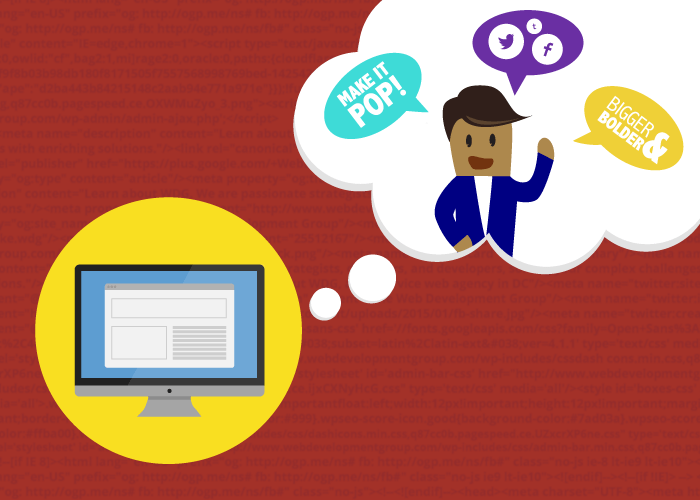
Every designer knows the sinking feeling of vague feedback: “It just doesn’t pop.” But how you handle feedback defines your professionalism.
- Listen first: Don’t interrupt or defend immediately. Understand what the client is really saying.
- Translate emotions into objectives: “It feels too cold” might mean “The colors aren’t aligned with our brand tone.”
- Clarify next steps: Summarize feedback in your own words and confirm action items.
Feedback isn’t an obstacle — it’s collaboration in disguise. Managing it with patience and empathy often leads to better results and stronger relationships.
Measuring Design Success and Continuous Improvement
Designers often think their work ends at launch, but true professionals measure outcomes. Success is not just about how something looks — it’s about how it performs.
Encourage clients to define measurable goals from the start (like conversion rates, engagement, or user satisfaction). After launch, track performance and revisit those metrics.
Use post-launch insights to evolve both your process and your craft. Continuous improvement isn’t a phase; it’s the hallmark of a designer who sees the bigger picture.
Design for Clients the Right Way with WDG
Designing for clients is one of the most rewarding — and challenging — aspects of a creative career. It demands equal parts artistry, strategy, and empathy.
At WDG, we’ve learned that great design doesn’t happen in isolation; it happens through partnership. When designers lead with structure, communicate clearly, and measure success, they transform the design process from transactional to transformative.
Your process is your reputation. Refine it, communicate it, and trust it — because great design starts with great collaboration. Interested in working with us? Contact WDG today to get started!
FAQs about the Website Design Process for Clients
How is designing for clients different from designing for yourself?
Client work involves aligning creative ideas with business objectives, audience needs, and brand strategy. It’s about partnership, not personal expression.
What’s the hardest part of the client design process?
Balancing subjective feedback with objective goals. The key is framing feedback through usability and purpose rather than personal taste.
How can designers make feedback sessions more productive?
Set an agenda, provide context, and summarize feedback clearly. Guided reviews prevent scattered opinions from derailing progress.
How do you know when a design is “done”?
When it meets user goals, passes QA testing, and achieves measurable client objectives — not just when it looks complete.
How can designers build long-term client trust?
Communicate openly, deliver consistently, and connect design decisions back to outcomes. Clients trust designers who make the process transparent.
Related Insights