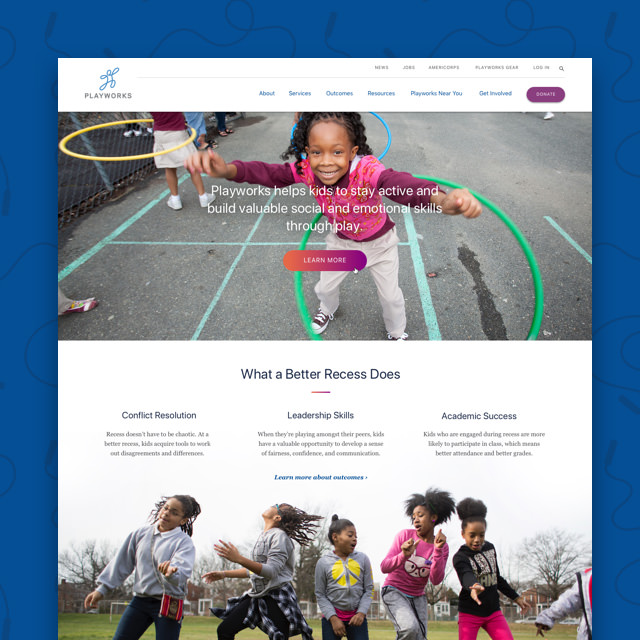
Drupal for Nonprofits: Why It’s a Powerful CMS Choice
For many mission-driven organizations, choosing the right content management system (CMS) is one of the most important decisions they’ll make. A website must support diverse audiences, convey impact, enable staff to update content easily, and integrate with fundraising and engagement tools — all while meeting accessibility, security, and sustainability standards. Drupal for nonprofits has become a leading solution because it provides the flexibility, structure, and long-term stability that complex organizations need to operate effectively online.
While platforms like WordPress remain popular for simpler use cases, Drupal’s architecture shines for nonprofits with intricate content models, distributed editorial teams, advanced permissions, and multi-site or multilingual needs. In this guide, we’ll explore why Drupal is such a strong fit for nonprofits, when it’s the right choice, what organizations should consider before adopting it, and how WDG helps mission-driven teams get the most out of the platform.
Key Takeaways
- Drupal offers flexibility, scalability, and security ideal for complex nonprofit websites.
- Granular permissions and workflows support distributed editorial teams and governance.
- Accessibility and multilingual features help nonprofits reach diverse, global audiences.
- Drupal integrates well with CRM, fundraising, and advocacy systems nonprofits rely on.
- The CMS is especially effective for organizations with evolving programs and high content volume.
Why Drupal Is a Strong Fit for Nonprofit Organizations
Nonprofits often manage a broad mix of audiences — donors, volunteers, beneficiaries, partners, and internal teams — each needing different content and pathways. They must communicate mission impact clearly while offering intuitive access to services, news, reports, events, and resources. Drupal supports these needs by providing a structure that can scale, adapt, and evolve as programs grow or priorities shift.
Many nonprofits also rely on decentralized content teams or experience frequent staff turnover. Drupal’s robust permissions, workflow options, and editorial controls reduce publishing risk and help maintain consistency across content types. Combined with its strong security posture and long-term stability, Drupal offers nonprofits the confidence needed to manage mission-critical websites.
Benefits of Using Drupal for Nonprofits
Drupal’s strengths become most clear when nonprofits need a flexible system to organize, present, and maintain complex information. Below are several key benefits that make it such a powerful fit.
Related: Best Drupal Websites
Flexible Content Modeling
Nonprofits often manage structured, multi-layered content — from programs and services to multimedia resources, impact stories, and event listings. Drupal makes it easy to create custom content types, taxonomies, and relationships tailored to each organization’s structure. This flexibility ensures consistency, reduces duplication, and supports long-term scalability.
Advanced User Roles and Permissions
For nonprofits with multiple contributors, controlled access is essential. Drupal allows granular permissions for roles such as editors, program managers, communications staff, and administrators. This prevents accidental changes, supports distributed content governance, and simplifies training.
Strong Accessibility and Compliance Support
Accessibility is a priority for nonprofits serving diverse and sometimes vulnerable communities. Drupal’s core commitment to accessibility — including semantic HTML, ARIA support, and mobile-first patterns — helps organizations build experiences aligned with WCAG and Section 508 guidelines. This ensures a broader audience can access content and complete tasks without barriers.
Security and Stability for Mission-Critical Sites
Drupal’s reputation for security makes it a top choice for nonprofits with sensitive data or high traffic volumes. Core security updates, a dedicated security team, and enterprise-grade architecture help protect against vulnerabilities that could undermine organizational trust or interrupt vital services.
Multilingual and Global Content Support
For nonprofits operating internationally or serving multilingual communities, Drupal offers built-in translation workflows and localization tools. Organizations can manage different language versions with ease while maintaining consistency in structure and editorial governance.
Integration-Friendly Architecture
Nonprofits increasingly rely on ecosystems of digital tools — CRMs, donation platforms, advocacy systems, email marketing tools, and event software. Drupal integrates well with these platforms, allowing organizations to streamline workflows, connect data, and reduce manual work.
Together, these benefits make Drupal a strong foundation for organizations that need more than a brochure site — they need a flexible, future-ready platform.
When Nonprofits Should Choose Drupal Over Other CMS Platforms
While Drupal is powerful, it’s not the right choice for every organization. However, nonprofits with the following needs will benefit significantly from its capabilities:
- Complex content structures: Organizations with programs, resource libraries, layered taxonomies, or staff directories benefit from Drupal’s structured content tools.
- Advanced workflows and permissions: If multiple teams publish content, Drupal’s governance reduces risk.
- High traffic or mission-critical uptime: Drupal performs well under load and supports enterprise-level caching.
- Multilingual or multi-site requirements: Drupal excels here, offering extensive configuration options.
- Deep integrations: Organizations using sophisticated CRMs or advocacy tools often rely on Drupal for consistent data flow.
- Security-focused environments: Drupal is frequently chosen by government organizations due to its strong security practices.
If a nonprofit’s website needs are simple, another CMS may be more cost-effective. But for organizations with growing complexity or long-term digital ambitions, Drupal provides room to scale.
Considerations Before Adopting Drupal
Choosing Drupal requires evaluating not only its strengths but also its practical implications. Drupal’s flexibility comes with a learning curve, and organizations should know what to expect.
Nonprofits should consider:
- Editorial experience: Drupal is highly capable, but editors may require training to use the CMS efficiently.
- Development investment: Custom Drupal implementations tend to cost more than lightweight CMS builds.
- Maintenance requirements: Regular updates and ongoing support are essential to keep the platform secure.
- Choosing the right partner: Because Drupal is powerful and configurable, working with an experienced agency ensures the system is built to support sustainable long-term use.
Understanding these considerations upfront helps nonprofits make informed decisions aligned with their operational realities.
Best Practices for Nonprofit Website Development on Drupal
Planning and building a Drupal site requires intentional strategy, especially for organizations with content-heavy or multi-team environments. Several best practices create smoother projects and stronger outcomes.
Begin with a detailed content model that outlines every content type, field, and relationship. This avoids structural confusion later in development and sets editors up for success. Use a modular design system that allows flexible page-building through reusable components — a crucial advantage for nonprofits with limited bandwidth. Audit and refine accessibility throughout the project, not just at the end, to ensure compliance and usability.
Integrations should be planned in discovery, not bolted on after development begins. And finally, invest in CMS training and governance so internal teams can confidently maintain the site long after launch.
Collectively, these best practices help nonprofits create sustainable, high-performing Drupal websites that grow with their mission.
Examples of Nonprofit Use Cases That Fit Drupal Well
Drupal’s strengths become even more apparent when looking at real-world nonprofit scenarios. Organizations with large program catalogs often rely on custom filtering to help users find relevant resources or services. Membership associations may need personalized dashboards, event systems, or gated content — all well-supported by Drupal’s modular structure.
Advocacy groups publishing frequent updates benefit from Drupal’s editorial workflows and tagging systems that organize content efficiently. Global nonprofits often use Drupal’s multilingual tools to maintain cohesive experiences across countries or regions. And organizations managing multiple microsites or department sites can consolidate into a multi-site Drupal platform for improved efficiency.
In each case, Drupal meets organizational complexity with structural clarity.
Partnering with WDG for Drupal Nonprofit Development
As nonprofits expand their digital ecosystems, they need platforms that can grow with them — and Drupal is often the right foundation. At WDG, we help mission-driven organizations architect, design, and develop Drupal websites rooted in strategy, accessibility, and long-term sustainability. Whether you’re rethinking your content model, building new integrations, or planning a full redesign, our team shapes Drupal solutions that empower editors, support organizational goals, and strengthen user experiences.
If your organization is exploring Drupal for nonprofits as a CMS option, WDG can guide you through discovery, planning, development, and ongoing support — ensuring your Drupal site is a durable, mission-aligned asset for years to come. Contact us today to get started!
FAQs About Drupal for Nonprofits
Is Drupal good for nonprofits?
Yes. Drupal’s flexibility, security, and structured content tools make it ideal for complex nonprofit websites.
Is Drupal easy for staff to use?
With proper training and a well-structured CMS, most teams can manage Drupal confidently.
Can Drupal integrate with nonprofit tools?
Yes. Drupal connects well with donation platforms, CRMs, advocacy systems, and email marketing tools.
Is Drupal secure enough for sensitive data?
Drupal’s security architecture and active security team make it a top choice for organizations requiring strong protection.
Does WDG develop and support Drupal websites?
Absolutely. WDG specializes in Drupal strategy, design, development, and long-term support for nonprofits.