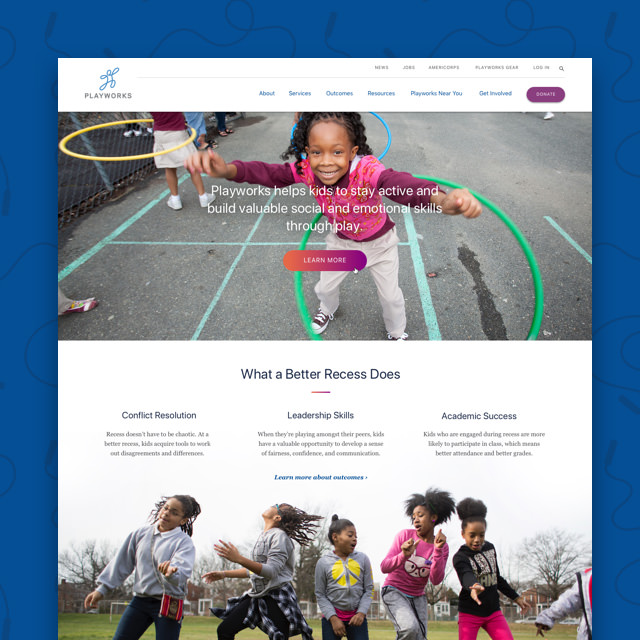
Copywriting Best Practices for SEO-Driven Websites
Every brand has a story to tell — but how that story is told determines whether users take notice or move on. Great copywriting is more than just well-chosen words; it’s a strategic balance of clarity, creativity, and purpose. The best copy connects emotionally while guiding readers toward action.
In today’s digital landscape, effective copywriting requires more than strong writing skills. It must account for how users read online, how search engines interpret language, and how design and content work together to support the user journey. When done well, website copy turns passive readers into engaged visitors and, ultimately, loyal customers.
This article explores the essential copywriting best practices every brand should follow—covering website-specific strategies, SEO principles, and actionable techniques that help you write content that both captivates and converts.
Key Takeaways
- Great copywriting balances creativity, clarity, and strategy.
- Website copy must be scannable, persuasive, and user-first.
- SEO copywriting aligns keyword strategy with audience intent.
- The best digital content serves both users and search engines.
- WDG creates copy strategies that strengthen brand identity and drive measurable results.
What Makes Copywriting Effective?
Effective copywriting starts with purpose. Every word should guide readers toward understanding, emotion, or action. Good copy anticipates questions before users ask them, clarifies value, and motivates without forcing.
At its core, copywriting is a mix of empathy, psychology, and clarity. It means writing with your reader in mind—understanding what they need, what frustrates them, and what will earn their trust.
Three elements separate strong copy from forgettable writing:
- Relevance: Speak directly to your audience’s needs and motivations.
- Clarity: Keep language simple, direct, and free from jargon.
- Persuasion: Use storytelling, social proof, and strong calls-to-action to inspire movement.
Effective copywriting combines these qualities to create communication that feels effortless to read—and impossible to ignore.
Website Copywriting Best Practices
Writing for the web requires a unique mindset. Unlike print or long-form storytelling, website copy must account for how people skim, click, and navigate. Visitors rarely read word-for-word; instead, they scan for key points that confirm they’re in the right place.
Following website copywriting best practices ensures your words support design, structure, and usability.
Write for the User First
The most important rule in digital copywriting is simple: write for your audience, not your brand. Users visit your site to solve a problem, not to hear buzzwords. Speak to their goals and emotions.
Use the second person (“you,” “your”) to make your copy feel conversational and relevant. Avoid internal jargon—replace it with clear benefits. For example, instead of “We provide comprehensive digital solutions,” say “We help you build a website that drives measurable growth.”
When content is written from the reader’s perspective, it feels helpful rather than promotional—and that’s what keeps users engaged.
Prioritize Clarity and Scannability
Online readers make split-second decisions about whether to stay or leave a page. That means your copy needs to be clear and easy to skim.
Use short paragraphs and descriptive subheadings that summarize each section’s main idea. Break up long text blocks with bullets or bold phrases to emphasize important takeaways. The goal isn’t to simplify ideas—it’s to make information more accessible.
Readable formatting also improves accessibility, helping screen readers and assistive technologies interpret your content. The easier it is to digest, the more likely users are to absorb and act on your message.
Create a Logical Content Hierarchy
Website copy should follow a logical flow—starting broad and narrowing toward the call-to-action. Think of it as guiding users through a conversation.
A strong hierarchy helps visitors find what they need without friction. Start with attention-grabbing headlines, then build interest with value propositions, and finish with action-oriented messaging. Consistency between design elements (headings, spacing, and visuals) reinforces clarity and trust.
When copy and layout work hand-in-hand, users move effortlessly from curiosity to conversion.
Use Clear, Compelling CTAs
Every page on your site should have a purpose—and that purpose should be made explicit through calls-to-action (CTAs).
CTAs work best when they’re specific and benefit-driven. Instead of “Submit,” use phrases like “Get a Free Consultation” or “See How It Works.” These tell users exactly what they’ll get and why it matters.
Placement matters too: position CTAs where users naturally pause—after key information or persuasive sections. Consistency in tone and visual design helps reinforce confidence.
Strong CTAs turn good copy into measurable outcomes.
SEO Copywriting Best Practices
Writing for search engines used to mean repeating keywords. Today, it means creating content that truly answers user intent. SEO copywriting blends keyword optimization with user-centered writing, helping pages perform well both in rankings and readability.
When done right, SEO copy enhances visibility and engagement.
Understand Search Intent
Not all searches are the same. Users search with specific goals in mind—information, navigation, or action. Understanding this intent is critical to writing content that satisfies it.
For example:
- “What is responsive design?” = informational intent
- “Web design agency near me” = commercial intent
- “Hire a web design agency” = transactional intent
By tailoring copy to the user’s purpose, you increase both relevance and conversion potential. Always write for humans first, then optimize for search.
Optimize Keywords Naturally
Keywords still matter—but how they’re used matters more. Focus on placing target phrases naturally within your copy, particularly in headings, introductions, and metadata.
Avoid overstuffing or awkward phrasing. Instead, use semantic variations—different ways people search for the same concept—to improve contextual depth. This approach helps search engines understand your topic comprehensively while keeping content readable and authentic.
Write Engaging, High-Value Meta Content
Your meta title and description often determine whether a user clicks your link in search results. They’re your first impression—so make them count.
Keep meta titles under 60 characters and meta descriptions under 160. Use strong verbs (“Discover,” “Learn,” “Explore”) and clear benefits to entice clicks. Include your primary keyword naturally, but focus on clarity over keyword density.
Well-written metadata improves click-through rates, which in turn boosts organic visibility.
Use Internal Linking Strategically
Internal links connect related pages and guide users deeper into your site. They also strengthen SEO by helping search engines crawl and understand your site’s structure.
Link to cornerstone pages—your most important, evergreen resources—and use descriptive anchor text like “view our design portfolio” instead of “click here”.
Internal linking not only improves navigation but also distributes authority across your website, making every page stronger.
Tone, Voice, and Brand Consistency in Copywriting
Your copy’s tone and voice define how users perceive your brand. Voice is your brand’s personality; tone adapts to context. Together, they create a recognizable identity that builds trust over time.
Maintain consistency across your website, emails, and social channels. A professional services firm might adopt a confident, consultative tone, while a nonprofit might choose warmth and empathy.
Establishing a brand style guide—covering tone, vocabulary, and structure—ensures every message aligns with your values and speaks to your audience authentically. Consistency makes your brand feel cohesive and reliable, no matter where users encounter it.
Common Copywriting Mistakes to Avoid
Even skilled writers fall into common traps when creating website copy. Avoid these pitfalls to keep your messaging strong:
- Overusing jargon: Complex terminology alienates readers unfamiliar with your industry.
- Writing long, dense blocks of text: Users skim; break up ideas with whitespace and headings.
- Focusing on features instead of benefits: Explain why something matters, not just what it does.
- Neglecting accessibility: Use clear contrast, alt text, and straightforward language.
- Ignoring SEO structure: Proper headings, metadata, and internal links are essential.
- Weak calls-to-action: Every page should tell users what to do next.
The key to avoiding these mistakes is empathy—always write from your audience’s point of view.
Measuring the Effectiveness of Your Copy
Copywriting isn’t a one-time effort; it’s an ongoing process of testing and refinement. Measuring performance helps ensure your words are doing their job.
Key metrics include:
- Conversion rates: How often users complete your desired action.
- Click-through rates (CTR): The percentage of users engaging with links or CTAs.
- Engagement metrics: Time on page, scroll depth, and bounce rate.
- SEO performance: Keyword rankings, impressions, and organic traffic growth.
Tools like Google Analytics, Hotjar, and A/B testing platforms help identify which messages resonate most. By tracking these insights, you can continuously refine copy to maximize impact.
Crafting User-First Website Copy with WDG
Words shape perception—and perception drives action. Every headline, paragraph, and call-to-action on your website should serve a purpose: to inform, engage, and inspire.
At Web Development Group (WDG), we craft copy that unites strategy with storytelling. Our writers and strategists develop SEO-driven, user-first content that enhances design and elevates your brand’s digital presence.
Whether you’re refreshing an existing site or building a new one, WDG helps you develop messaging that’s clear, authentic, and strategically optimized for long-term success. Contact us today to get started!
FAQs about Copywriting Best Practices
What are the fundamentals of great copywriting?
Strong copy is clear, relevant, and action-oriented. It focuses on the reader’s needs while aligning with your brand’s goals.
How is website copywriting different from other types?
Website copy must be concise, scannable, and optimized for navigation and conversion—balancing design and content equally.
What is SEO copywriting?
SEO copywriting blends keyword optimization with high-quality writing to increase search visibility without sacrificing user experience.
How often should website copy be updated?
Audit your core pages every six months to ensure information accuracy, brand consistency, and SEO freshness.
Can good copy really increase conversions?
Absolutely. Copy that’s relevant, emotionally resonant, and strategically placed drives engagement and encourages action.
Related Insights