Association Website Integration: Building Connected, Member-Focused Digital Experiences
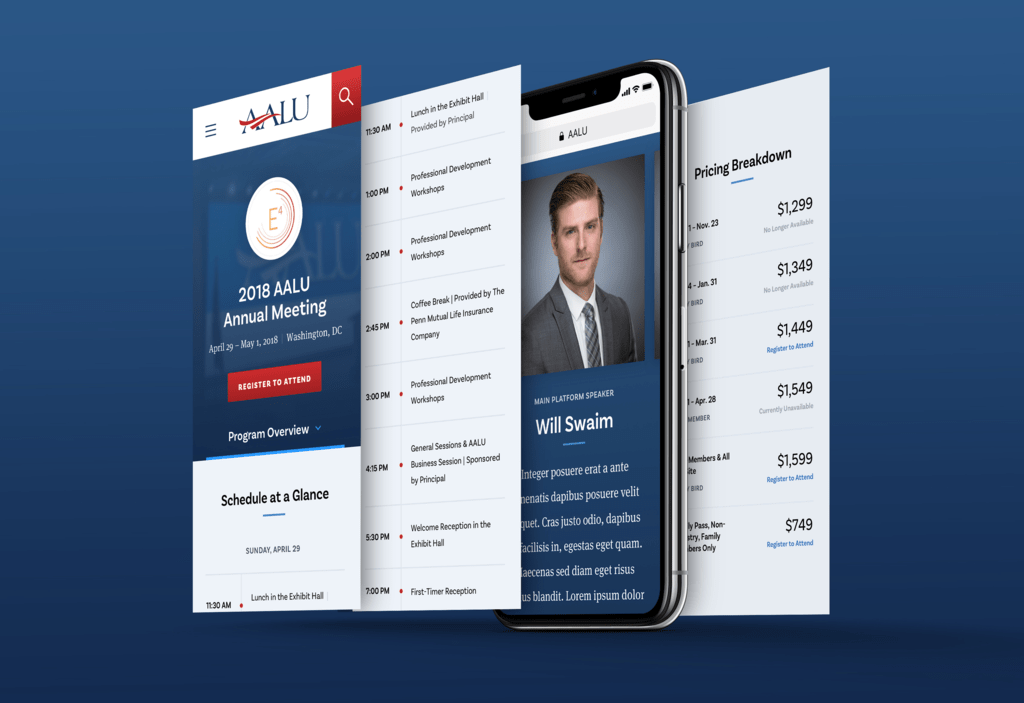
Today’s association websites are no longer just marketing tools or content hubs. They are the primary interface between the organization and its members – supporting renewals, registrations, education, communications, and day-to-day engagement. As associations adopt more specialized platforms to manage these functions, the website becomes the connective tissue that ties everything together.
Association website integration is what allows these systems to work as a cohesive ecosystem rather than a collection of disconnected tools. When done well, integration reduces manual effort, improves data accuracy, and creates smoother, more intuitive experiences for members. When done poorly – or not at all – it introduces friction, confusion, and operational strain that grows over time.
Key Takeaways
- Association websites function as operational hubs, not standalone platforms.
- Strategic integrations improve both member experience and internal efficiency.
- Real-time data flow reduces duplication and errors across systems.
- Not every system needs to be integrated at once – prioritization is essential.
- Integration planning should support long-term growth and change.
Why Website Integration Matters for Associations
Associations typically rely on multiple systems to manage core functions: membership, events, education, payments, and communications. Without integration, staff are often forced to manually move data between platforms, reconcile conflicting records, or manage member requests through workarounds.
From a member perspective, lack of integration shows up as friction. Members may need to log in multiple times, update their profile in more than one place, or re-enter information that the association already has. Over time, these small frustrations erode trust and engagement.
Website integration addresses both sides of the problem. It creates a more seamless experience for members while giving staff confidence that data is accurate, up to date, and usable across departments.
Common Systems Integrated With Association Websites
While every association’s technology stack is different, certain systems appear consistently across the sector. The goal of integration is not to connect everything indiscriminately, but to connect systems in ways that support real workflows and member journeys.
Common integrations include:
- Association Management Systems (AMS): Platforms like iMIS, NetForum, MemberSuite, and Personify often serve as the system of record for member data. Integration typically supports member login, profile updates, renewals, and access to member-only content directly through the website.
- CRM platforms: Some associations use CRMs such as Salesforce to track engagement, communications, or advocacy activity. Website integrations may push form submissions, event participation, or content interactions into the CRM to support segmentation and reporting.
- Event management systems: Tools like Cvent, EventsAir, or event modules within an AMS are commonly integrated to handle registration, schedules, and attendance. Integration allows members to register through the website and see event details tied to their account.
- Learning management systems (LMS): For associations offering education or certification, systems like WBT Systems, Cornerstone, or Docebo may integrate with the website to display courses, track progress, and manage credentials without forcing users into a separate experience.
- Payment and finance systems: Integration with payment gateways such as Stripe, Authorize.net, or AMS-native payment tools supports dues, event fees, donations, and purchases while keeping financial records aligned.
- Email marketing and communications platforms: Tools like Mailchimp, Higher Logic, or Marketing Cloud are often integrated to trigger communications based on member behavior, such as renewals, registrations, or content engagement.
Not every association needs all of these integrations. The most effective setups focus on the systems that directly support member value and staff efficiency.
How Association Website Integration Improves Member Experience
From a member’s point of view, integration should feel invisible. The best experiences are those where everything “just works” without requiring extra effort or explanation.
Integrated association websites commonly support:
- Single sign-on, so members log in once to access all services
- Real-time membership status and renewal visibility
- Personalized dashboards showing events, courses, or resources relevant to the member
- Reduced data entry during registrations or purchases
These improvements reduce friction at key moments, such as renewals or event signups, where even small barriers can impact participation.
Operational Benefits of Integrated Association Websites
Integration is just as valuable behind the scenes. When systems are connected properly, staff spend less time managing data and more time supporting programs and members.
Operational benefits often include fewer manual updates, reduced data discrepancies, and more reliable reporting across departments. Staff can trust that member data is current, engagement metrics are consistent, and decisions are based on a single, shared understanding of performance.
As associations grow, these efficiencies become increasingly important. What feels manageable with a few hundred members can quickly break down at scale without integration.
Related: SEO for Associations
Data Considerations for Association Website Integration
Effective integration depends on clear data governance. Before systems are connected, associations need to decide which platform owns which data and how updates should flow.
Key considerations include defining systems of record, determining whether data syncs one way or two ways, and establishing validation rules to prevent bad data from spreading. Privacy and security are also critical, particularly when handling member profiles, payments, and learning records.
Without this planning, integrations can introduce more problems than they solve.
Integration Approaches for Association Websites
Associations typically integrate systems using a mix of approaches, depending on platform capabilities and complexity.
Some integrations rely on native connectors provided by the AMS or CRM. Others use APIs to exchange data directly between systems. More complex environments may use middleware platforms to manage multiple integrations centrally, while highly customized workflows may require custom development.
Each approach involves tradeoffs in flexibility, cost, and maintenance. The right choice depends on current needs and future plans, not just what’s easiest to implement today.
Common Integration Challenges for Associations
Association integrations often involve legacy systems, long-standing customizations, or vendor limitations. Challenges commonly arise when APIs are incomplete, data structures don’t align, or integrations are built quickly without documentation.
Another frequent issue is over-customization. While customization can solve immediate needs, it can also make systems harder to upgrade or replace later. Recognizing these risks early helps associations plan integrations that remain manageable over time.
Planning an Association Website Integration Strategy
Successful integration starts with understanding member journeys and internal workflows. Rather than integrating everything at once, associations benefit from identifying high-impact moments – such as joining, renewing, registering, or accessing education – and prioritizing integrations that support those experiences.
Integration planning should involve stakeholders from membership, events, education, marketing, and IT to ensure solutions support real needs. Planning with future growth in mind helps avoid rework as systems evolve.
When to Revisit or Expand Website Integrations
Integrations are not static. Associations often revisit their integration strategy when adopting a new AMS or CRM, launching new programs, expanding reporting needs, or redesigning their website.
Re-evaluating integrations at these moments ensures the website continues to serve as an effective hub rather than a bottleneck.
Partnering With WDG for Association Website Integration
Effective association website integration requires more than technical connections – it requires understanding how members, staff, and systems interact. At WDG, we help associations plan and implement integrations that support member experience, operational efficiency, and long-term scalability.
Our approach emphasizes strategy-first planning, clear data governance, and sustainable architecture. Whether you’re integrating an AMS, CRM, LMS, or event platform, WDG helps ensure your website works as a unified, member-focused system. Contact us today to get started!
FAQs About Association Website Integration
What systems should an association website integrate with first?
Most associations start with membership and payment systems, as these directly impact renewals, access, and revenue. Events and communications often follow.
Does every association need a fully integrated website?
No. Integration should match organizational size, complexity, and goals. Over-integration can create unnecessary cost and maintenance burden.
Can integrations improve member retention?
Yes. Reducing friction, improving self-service, and personalizing experiences all contribute to stronger engagement and retention.
Are website integrations expensive to maintain?
They can be cost-effective when planned strategically. Poorly planned integrations often cost more over time than well-designed ones.
Can WDG help with association website integrations?
Yes. WDG supports integration planning, implementation, auditing, and optimization for association websites.
Related Insights

Your Clients Already Know What They Want. AI Is the First Time They Can Show You