How to Create a Web Design Portfolio
For every designer, a portfolio is more than a collection of projects — it’s a statement of who you are, how you think, and the kind of work you want to attract. Whether you’re applying for your first agency role or growing as a freelance designer, your portfolio is your most powerful storytelling tool.
At Web Development Group (WDG), we’ve reviewed hundreds of portfolios from designers at every career stage. The ones that stand out don’t just show visuals — they show process, strategy, and growth. In this guide, we’ll walk through how to create a web design portfolio that captures your skills, communicates your thinking, and sets you apart.
Key Takeaways
- Your portfolio is your strongest professional asset — it tells your story in a way a resume can’t.
- Every strong portfolio focuses on process as much as visuals.
- Clear storytelling, curation, and accessibility make your portfolio memorable.
- UX portfolios should highlight research, usability, and real outcomes.
- The best portfolios evolve as your experience grows.
Why Your Portfolio Matters More Than Your Resume
In creative industries, your portfolio carries more weight than your credentials. Hiring teams, agencies, and clients want to see how you solve problems — not just that you can design. A well-structured portfolio demonstrates visual skill, strategic thinking, and an understanding of user experience.
At WDG, we evaluate portfolios based on clarity, craft, and curiosity. We look for designers who show not just what they made, but why they made it — the decisions, iterations, and insights behind the final product. That narrative tells us more about a designer’s value than any bullet point on a resume ever could.
Your portfolio should grow with you. Each project you include should represent your evolution — your expanding toolkit, deeper empathy for users, and growing comfort tackling new challenges.
Step-by-Step: How to Create a Web Design Portfolio
Building a professional portfolio isn’t about uploading screenshots; it’s about creating a cohesive experience that reflects your design maturity. Each of the following steps builds on the last, helping you develop something intentional and impactful.
1. Define Your Audience and Goals
Before designing your portfolio, decide who it’s for. A designer seeking agency work might focus on teamwork, systems thinking, and collaboration, while a freelancer might highlight versatility and results.
Defining your audience early shapes everything — tone, visuals, and even which projects you include. Think of your portfolio as your brand. It should resonate with the kinds of projects and people you hope to attract.
2. Show Off Your Range of Skills
Your portfolio should communicate your range — not just in aesthetics, but in capability. Include projects that showcase variety: layout design, responsive interfaces, content structure, or accessibility considerations.
Employers and clients want to see designers who can adapt. Balance deep dives into specific skills with examples that show flexibility. You don’t need to be an expert in everything, but demonstrating awareness across multiple disciplines shows that you understand how design works in the bigger picture.
3. Curate Carefully: Not All Work Can Make the Cut
One of the hardest — and most important — parts of building your portfolio is editing. Including every project you’ve ever done can dilute your strongest work. Instead, focus on 4–6 pieces that best represent your abilities and growth.
Each project should serve a purpose: maybe it highlights problem-solving, visual design, UX thinking, or collaboration. It’s better to show fewer projects that are meaningful and well-documented than a long list of average ones. Curation demonstrates maturity and a clear sense of direction — qualities agencies like WDG value highly.
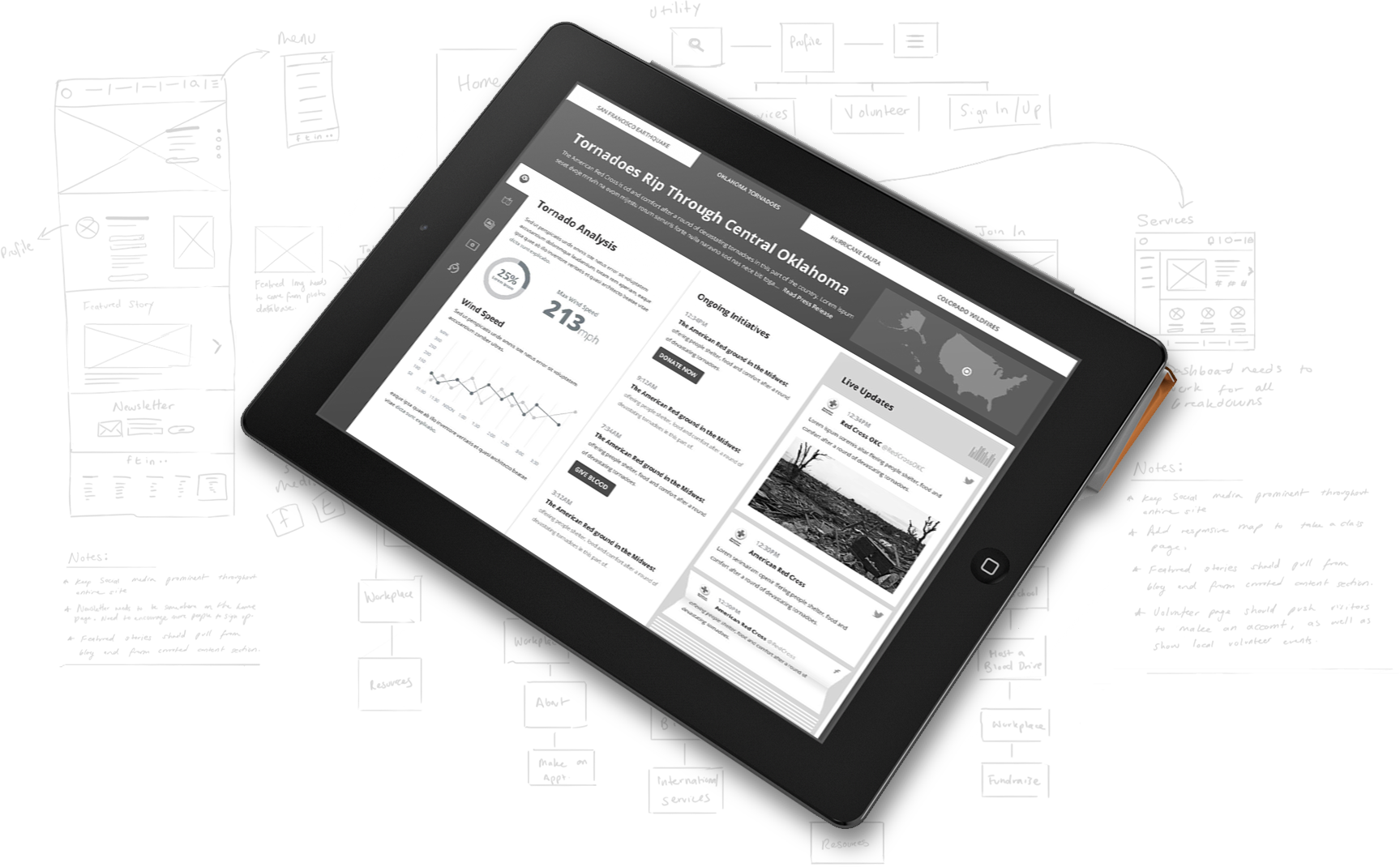
- A wireframe comp I made for our work with the American Red Cross.
4. Tell the Story Behind Each Project
Strong portfolios don’t just display outcomes — they explain journeys. Treat each project as a case study. Begin with the problem you set out to solve, your role in the project, and your process for tackling challenges. Then, walk the reader through research, design iterations, and results.
Incorporate visuals like wireframes or early mockups where possible, but always pair them with context. What was your goal? How did user feedback shape the outcome? What did you learn?
For those wondering how to create a UX design portfolio, this storytelling approach is even more critical. UX employers care deeply about the “why” behind decisions — your user insights, testing methods, and how you measured success.
5. Make Your Portfolio as Straightforward as Possible
Simplicity is often the most powerful design choice. Your portfolio should be intuitive, easy to navigate, and visually consistent. Let the projects take center stage — clear typography, balanced white space, and straightforward organization will always outshine gimmicks.
Remember, your portfolio is an example of your design thinking. If it feels cluttered or confusing, reviewers may assume your client work is too. Aim for clarity, accessibility, and responsiveness. A clean, focused experience reflects professionalism and attention to detail.
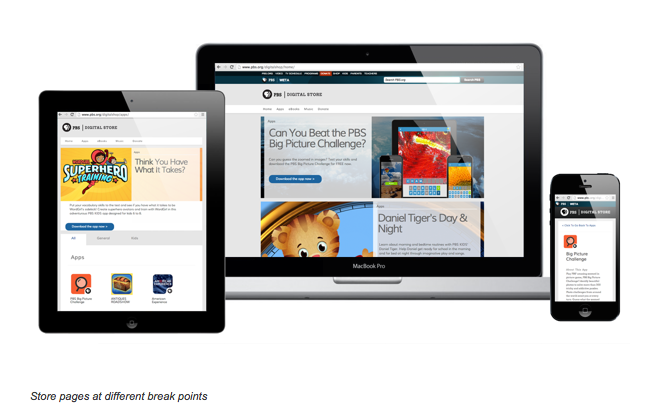
- I label images within my portfolio so potential employers know what they’re looking at.
6. Be Online, and Promote Yourself!
A beautiful portfolio only matters if people can find it. Make sure it’s easily accessible — hosted on a personal domain or a reputable portfolio platform. Include a short bio, professional contact information, and links to relevant professional profiles.
Promotion doesn’t have to be loud; it just needs to be consistent. Share new projects thoughtfully. Engage in design communities. Contribute insights or write about your process. The goal isn’t just exposure — it’s connection. When others see how you think, opportunities naturally follow.
7. Keep It Current
Design evolves — and so should your portfolio. Outdated work, broken links, or non-responsive layouts can send the wrong message. Set a routine to review your portfolio a few times a year, removing older work and replacing it with projects that better reflect your current skills.
Think of your portfolio as a living document. It should evolve with each new challenge, collaboration, and lesson learned. Keeping it fresh shows that you’re active, growing, and engaged in your craft.
How to Create a UX Design Portfolio
While a web design portfolio emphasizes visuals and structure, a UX design portfolio focuses on process and outcomes. The most effective UX portfolios communicate how you think.
Show your approach to research — user interviews, journey maps, usability testing — and explain how those insights informed your decisions. Don’t just show polished wireframes; explain how they improved user experience. Highlight measurable results, such as increased engagement or improved accessibility.
A strong UX design portfolio doesn’t need flashy visuals. It needs clarity, logic, and a focus on people. Employers look for empathy and reasoning — evidence that you make design decisions with purpose and data.
Common Mistakes Designers Make (and How to Avoid Them)
Even talented designers can miss the mark when building portfolios. Common pitfalls include:
- Overloading visuals without context: Don’t make reviewers guess what they’re looking at. Explain your process.
- Neglecting accessibility and responsiveness: A poorly functioning portfolio undermines your credibility as a designer.
- Lack of clarity about your role: Always define what you personally contributed to a project.
- Overdesigning the portfolio itself: Simplicity and clarity almost always win over flashiness.
Each of these mistakes can be avoided with one mindset: think about the user — in this case, your audience. Build for their experience just as you would for a client.
How to Present Your Portfolio to Employers or Clients
How you talk about your portfolio can be as important as what’s in it. Whether in an interview or a client pitch, lead with clarity and authenticity. Walk through one or two case studies, focusing on your process, decisions, and lessons learned.
Tailor your presentation to the audience. With employers, emphasize collaboration and your approach to feedback. With clients, highlight business results and user impact. Don’t rush through slides — tell a story.
Confidence, curiosity, and reflection stand out. The best presentations aren’t performances — they’re conversations about how you think.
Final Thoughts on Creating a Web Design Portfolio
Your portfolio is never truly finished — and that’s a good thing. It’s a living record of your evolution as a designer, a storyteller, and a problem-solver. The strongest portfolios are honest, purposeful, and built with empathy for both users and viewers.
At WDG, we’ve seen that great design careers start with intention. Whether you’re crafting your first portfolio or refining one you’ve had for years, focus on clarity, process, and growth. Your portfolio doesn’t just show what you can design — it shows who you are as a designer. Interested in working with us? Contact WDG today to get started!
FAQs about Creating a Web Design Portfolio
How many projects should be in a web design portfolio?
Focus on 4–6 well-rounded projects that demonstrate range and process. More isn’t better — stronger storytelling is.
Can I include student or personal projects?
Absolutely. Well-presented personal work can be just as valuable as client projects if it showcases creativity, problem-solving, and technical skill.
What platform should I use for my portfolio?
Choose a flexible, user-friendly platform that aligns with your goals. Prioritize usability and responsive design over complex customization.
How often should I update my portfolio?
Review it at least twice a year to refresh visuals, replace older work, and ensure links and content remain accurate.
Related Insights