Flat Web Design: Principles, Benefits & Modern Examples
In the constantly evolving world of web design, trends come and go—but simplicity never loses its appeal. Flat web design is a minimalist design philosophy that removes unnecessary visual clutter and focuses on clarity, usability, and performance. Instead of relying on gradients, shadows, and textures, flat design emphasizes bold color, clean typography, and purposeful structure.
What began as a stylistic response to overly decorative interfaces has become one of the most enduring and functional design standards in the digital age. Flat design not only improves aesthetics but also enhances accessibility, responsiveness, and speed—three cornerstones of user-first digital experiences.
In this article, we’ll explore what flat web design is, its evolution, its core principles, and examples of modern websites that use it effectively.
Key Takeaways
- Flat web design focuses on clarity, function, and minimalism.
- It replaces complex visual effects with clean lines, simple shapes, and bold color.
- The approach improves usability, accessibility, and loading speed.
- Flat design aligns with modern user-first design and responsive principles.
- WDG uses flat design to create scalable, visually balanced, and performance-driven websites.
What Is Flat Web Design?
Flat web design is a minimalist visual style that prioritizes usability over embellishment. It strips away 3D elements—like drop shadows, gradients, and textures—to create clean, straightforward interfaces. The result is a design that feels modern, fast, and intuitive.
This approach places emphasis on content hierarchy and function rather than decorative depth. By using solid color blocks, simplified icons, and typography-driven layouts, flat design makes websites easier to navigate and faster to load.
The philosophy behind flat design aligns with user-first principles: it guides the eye naturally, removes distractions, and helps users accomplish their goals efficiently.
The Origins and Evolution of Flat Design
Flat design emerged in the early 2010s as a reaction to skeuomorphism, the design trend that mimicked real-world textures—like leather stitching or glass reflections—to make interfaces feel familiar. As users became more digitally fluent, skeuomorphic detail started to feel unnecessary and outdated.
Microsoft’s Metro design language was among the first to popularize flat aesthetics, emphasizing “content over chrome.” Apple followed with its minimalist iOS 7 redesign, and Google’s Material Design refined the concept by adding subtle layers and motion cues—creating what’s now called flat 2.0 or semi-flat design.
Today, flat design is less about rigid minimalism and more about thoughtful restraint. Designers use it to enhance usability, maintain consistency across devices, and ensure digital experiences feel seamless and accessible.
Core Principles of Flat Web Design
Flat design may appear simple, but it’s built on a set of intentional principles that make it effective. Every color choice, typeface, and layout decision serves a functional purpose: to create harmony between content and interface. These principles guide designers in building websites that look clean, perform efficiently, and maintain clarity across all devices.
Below are the key foundations of effective flat web design:
Simplicity and Minimalism
Flat design thrives on reduction. The goal is to remove anything that doesn’t serve a clear purpose—extra gradients, ornamental borders, or unnecessary animations.
By focusing on core content and intuitive layouts, designers create interfaces that feel lighter and more approachable. Minimalism doesn’t mean emptiness—it means intentionality. Every visual element should exist for a reason, whether that’s to convey information or guide user behavior.
This simplicity allows users to process information faster and focus on what truly matters: the message, the product, or the action.
Bold Colors and Contrast
Without textures or depth effects, flat design relies heavily on color to establish hierarchy and visual rhythm. Vibrant color palettes and strong contrast help users distinguish between interactive elements and static content.
For example, bright accent colors draw attention to calls-to-action, while muted backgrounds keep text legible. The right color combinations not only enhance aesthetics but also improve accessibility by ensuring proper contrast for users with visual impairments.
A well-executed color system is what makes flat design feel lively, not flat.
Clean Typography
In flat design, typography takes center stage. Without decorative textures or depth, type becomes a primary visual element that defines both tone and readability.
Flat interfaces often use sans-serif fonts with consistent weights and generous line spacing. This approach creates a clean, open feel that aligns perfectly with minimalist design.
Typography in flat design isn’t just aesthetic—it’s functional. Consistent, legible text enhances comprehension and helps users scan information efficiently.
Iconography and Simple Visuals
Flat design favors iconography and simplified illustrations over detailed imagery. Icons convey meaning quickly, reducing reliance on large blocks of text.
The best icons are consistent in shape, weight, and proportion, ensuring visual harmony across the interface. Scalable vector graphics (SVGs) are especially valuable in flat design—they maintain crisp resolution across devices and loading speeds.
Used thoughtfully, icons become a universal language that enhances comprehension and supports accessibility.
Advantages of Flat Web Design
Flat web design offers more than aesthetic benefits—it directly influences how users experience a website.
- Faster load times: Without heavy graphics or effects, pages render more quickly.
- Better mobile performance: Flat elements scale seamlessly across screen sizes.
- Enhanced accessibility: High contrast and legibility support diverse audiences.
- Improved usability: Minimal distractions focus attention on key actions.
- Timeless visual appeal: Simple, modern interfaces age more gracefully than trend-heavy designs.
These advantages make flat design a practical choice for organizations seeking clean, efficient, and high-performing digital experiences.
Flat Design Website Examples
The best way to understand flat design’s impact is to see it in action. Many of today’s leading brands use flat design to create intuitive, visually balanced experiences. Below are a few flat design website examples that illustrate how minimalism can be both beautiful and functional.
Dropbox
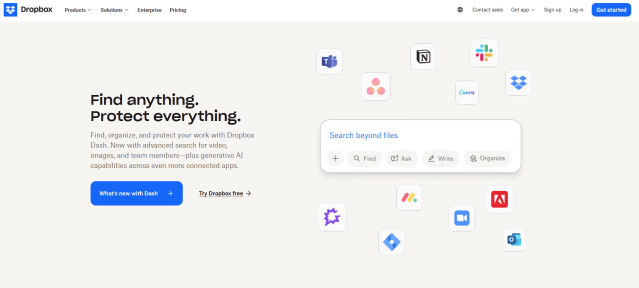
Dropbox uses flat design to express simplicity and collaboration. Its interface features soft color gradients, vector illustrations, and whitespace that convey clarity and ease of use. The result feels approachable yet professional—perfectly matching the brand’s personality.
Stripe
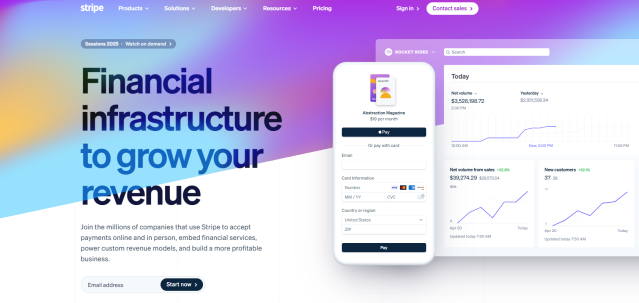
Stripe’s website showcases how flat design can coexist with subtle motion and hierarchy. It combines flat blocks of color with carefully spaced typography and animated transitions to create a sleek, high-tech feel. The design proves that flat doesn’t have to mean static—it can feel dynamic without clutter.
Google Material Design
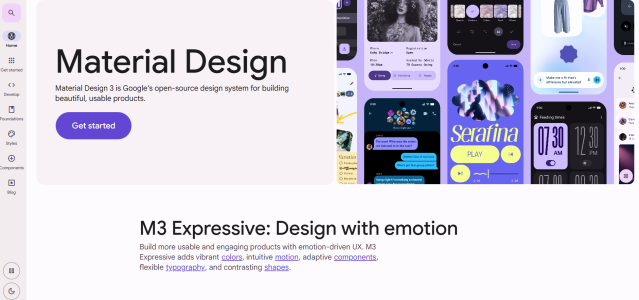
Google’s Material Design demonstrates the evolution of flat design into “flat 2.0.” It uses clean, minimal surfaces but introduces depth through shadows, layering, and responsive motion. This balance between simplicity and dimension enhances usability and context.
Common Mistakes in Flat Design
While minimalism is powerful, oversimplification can weaken usability if not implemented carefully. Common flat design pitfalls include:
- Low contrast: Pale colors or minimal contrast can hinder readability.
- Unclear navigation: Buttons and links can become ambiguous without proper cues.
- Overuse of color: Excessive bright tones can overwhelm the interface.
- Lack of hierarchy: Equal visual weight across elements can confuse users.
Avoiding these mistakes means balancing simplicity with function. Subtle visual cues like hover states or animation can help clarify interactivity while preserving the clean aesthetic.
Best Practices for Implementing Flat Web Design
Flat design works best when it’s structured, consistent, and purposeful. Follow these guidelines to create interfaces that are both minimalist and engaging:
- Start with content strategy—design should support messaging.
- Establish a clear grid system and spacing rhythm for balance.
- Choose an accessible color palette with sufficient contrast.
- Use visual hierarchy to guide users from headline to CTA.
- Apply micro-interactions for clarity without clutter.
- Test across devices to confirm readability and responsiveness.
Flat design succeeds when every decision supports the user’s experience—form and function working as one.
Designing Sleek, User-First Websites with WDG
Flat web design embodies the idea that simplicity is powerful. When executed strategically, it creates digital experiences that are clean, accessible, and timeless—prioritizing the user without sacrificing visual impact.
At Web Development Group (WDG), we use flat design to build websites that balance aesthetics with performance. Our designers and developers collaborate to create modern, scalable platforms rooted in usability and clarity. From bold typography to intuitive color systems, every element supports engagement and brand trust.
If your organization is ready to embrace a design philosophy that’s as practical as it is beautiful, WDG can help. Together, we’ll build a website that’s not just sleek—but smart, scalable, and user-first. Contact us today to get started!
FAQs about Flat Web Design
What is flat web design?
Flat web design is a minimalist approach that eliminates textures, shadows, and 3D effects, focusing instead on simplicity and function.
What are the benefits of flat design?
It enhances performance, improves accessibility, and communicates modernity through clean, organized visuals.
How does flat design differ from skeuomorphic design?
Skeuomorphic design mimics real-world materials; flat design removes those illusions for a more digital-native feel.
What is flat 2.0 or semi-flat design?
Flat 2.0 reintroduces subtle depth and layering for usability while maintaining minimalist aesthetics.
Can flat design work for all types of websites?
Yes—with thoughtful color, hierarchy, and accessibility, flat design fits almost any brand or industry.