Best Illustration Practices: How to Illustrate
The only difference between good and great illustration is experience. What follows is a helpful walkthrough of what I have found to be the best practices to uphold when creating illustrations. This is not a guide on how to create your own illustrations, but is a general overview of what it takes to make fantastic illustrations.
What Is ‘Illustration’?
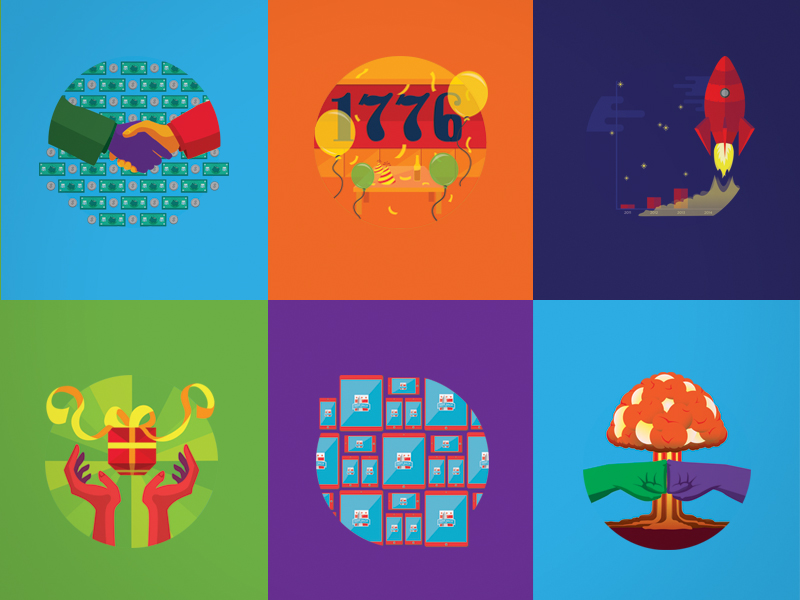
Before we get started, you should have a good understanding of what an illustration is and what it isn’t. Without delving into its history, illustrations have always been depictions of an artist’s imagination or of what the artist perceives in a moment.
In a sense, ‘illustration’ has become interchangeable with the term ‘art’, but they are in fact not the same. Though an illustration can take the form of a doodle, an infographic, an animation, or even a comic strip, they only take a two-dimensional form–a book has illustrations in its pages, but the book itself is not an illustration; a sculpture can illustrate a story, but is also not an illustration. See the difference?
Digital vs. Traditional Media
So which medium is better for creating illustrations? Trick question! As far as what is the best medium to use, it will always be a personal preference. (That said, what makes a difference in an illustration is skill level.) What’s wonderful about creating illustrative work is that you’re not limited in what you can choose or what different mediums you can combine.
What Makes a Good Illustration
Color, shapes, and textures notwithstanding, good illustration must have an intention. Nothing looks more unprofessional than an illustration without purpose, function, and looks as if it has been thrown together. This means understanding what your client and his or her business is trying to achieve. To learn more about how to incorporate your client’s needs, read this previous blog post.
Good illustration also takes a lot of practice, and multiply that by a million. Practicing your art skills really does make all the difference, and your supervisors, coworkers, and clients will notice too.
References
As an illustrator, always make sure you have a good list of references at your disposal. By researching different art styles, artists, culture, and practices, you can really expand your horizons and keep your skills fresh. Don’t limit yourself by only creating art that you are comfortable with.
Sites that are great to look through:
- From Up North
From Up North is a great blog site to peruse through, as it is frequently updated with graphic design, advertising, photography, illustration, web design, motion graphics, print, and packaging inspiration. - Dribbble
Dribbble is a site where creative types share screenshots of their work. It’s a great place to get feedback on projects you are currently working on, as well as see what other people have been up to. - Behance
Behance is an online platform that showcases the creative work of the artists that use the site to house their portfolio. It’s a great place to discover inspirational work, as well as to share your own work. - Google
I’ll admit that Google is most likely the last site you’d think to find in a reference list, however I’d be a liar if I didn’t say that it was one of my go to sources to search for just about everything. One really useful feature is that Google allows you to grab an image that you’ve found, drag it into the search bar, and find other images that are similar in look and/or by the same artist. - Deviantart
Deviantart is one of the largest and most well known online communities that exists for artists. It houses millions of uploads of artwork that cover all spectrums of art styles and of mediums. - The Noun Project
A great resource for finding that perfect icon, The Noun Project has helped me more than once express an idea or thought to a client. - Tumblr
Tumblr is a great site as there are many Artist and Art blogs that you can follow.
Sites that can help you become better:
- Kuler
Kuler is an Adobe tool that helps you create color pallets. My favorite feature would have to be the Explore section, as it is great for browsing through color combinations that other people have put together. - Skillshare
It’s never to late to take a class! Skillshare is a great resource for those who feel they need a little more help and have enough time to seek it. - Youtube
Need more than just a step-by-step walkthrough to help you draw something? Look no further than Youtube. No seriously, there are amazing videos up on the site that can demonstrate just how to get that look you are going for.
I See What You Did There
Though not everyone in the world is an artist, they most certainly know what looks appealing and what doesn’t–use that to your advantage. Call on your fellow artists, clients, or friends as helpers as an extra pair of eyes. You can always use a little perspective to help finesse your work. In my experience, I’ve never not needed a different point of view to help improve my work.
That said, don’t let just anyone look at your work. Beware having too many cooks in the kitchen; they might just confuse you more than help you.
The Takeaway
There really is no one way to make great illustration, but there are a few best illustration practices to keep in mind. Good illustration certainly takes skill, but I’ve found that it is more about having a good and trustworthy process that encourages awesome illustrations to emerge from it.
Curious to learn more about WDG’s design process? Check out our work and drop us a line today.
Related Insights